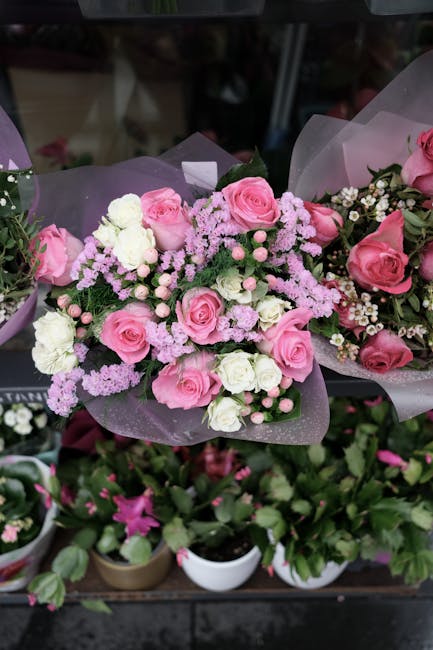
Gidea Park Main Road florist guide for wedding flowers
Posted on 02/10/2026
If you're planning a wedding in or around Gidea Park, flowers can shape the whole feel of the day faster than almost anything else. A bouquet, a buttonhole, a table arrangement - each one quietly sets the tone before a single speech is made. This Gidea Park Main Road florist guide for wedding flowers is here to help you make sensible, stylish choices without the usual stress spiral. You'll find what to order, when to book, how to compare options, and which details matter most when the clock starts ticking and the venue call sheet is suddenly very real.
Truth be told, wedding flowers are one of those parts of a wedding that look effortless only after a lot of thought. The good news? Once you understand the basics, the process becomes much calmer. Let's make it practical.
Table of Contents
- Why this guide matters
- How wedding flowers planning works
- Key benefits and practical advantages
- Who this is for and when it makes sense
- Step-by-step guidance
- Expert tips for better results
- Common mistakes to avoid
- Tools, resources and recommendations
- Law, compliance, standards, or best practice
- Options, methods, or comparison table
- Case study or real-world example
- Practical checklist
- Conclusion
- Frequently asked questions
Why Gidea Park Main Road florist guide for wedding flowers Matters
Wedding flowers do more than decorate a room. They connect the outfits, venue, season, and ceremony style into one visual story. If you're sourcing flowers through a florist on or near Main Road in Gidea Park, you're also dealing with local realities: timing, delivery windows, traffic, parking, and the simple fact that weddings rarely run with a generous amount of spare time. That's why a clear guide matters.
There's also the emotional side. Couples often start with broad ideas like "soft and romantic" or "white and green," then get overwhelmed by stems, buttonholes, bouquet sizes, and the difference between a bridal bouquet and a bridesmaid bouquet. Been there, seen that. A good florist conversation turns that cloud into decisions you can actually make.
Another reason this guide matters is that wedding flowers are usually one of the few parts of the wedding that guests notice at every stage: on arrival, during the ceremony, in photographs, and over dinner. A well-planned floral scheme quietly elevates the whole day. A rushed one tends to show. Quite plainly, really.
Expert summary: The best wedding flower plans are not always the most expensive ones. They're the ones that match the venue, the schedule, the season, and the couple's priorities without trying to do everything at once.
If you're comparing local flower options, it can help to look at a florist's broader service approach too. Pages such as florist services in Gidea Park RM2 and about us can give you a better sense of how a business works, what it values, and whether it feels reliable enough for a once-in-a-lifetime booking.
How Gidea Park Main Road florist guide for wedding flowers Works
Most wedding flower planning follows the same basic path, whether you're keeping it simple or building a full floral feature for the ceremony and reception. The difference is in the detail. A florist will usually start by learning your date, venue, colour scheme, and approximate guest count, then move into flower choices, seasonal availability, and the practical logistics of delivery and set-up.
You don't need to know every flower name on day one. In fact, that can be a bit of a trap. People sometimes arrive wanting peonies in December, or a very specific look that may not suit the season or the budget. A skilled florist can translate the mood into something achievable, and that is where the value sits.
In a local setting such as Gidea Park, the process also tends to be more personal. You may be able to discuss venue access, collection times, and last-minute adjustments with less back-and-forth than you'd get from a faceless national chain. For many couples, that directness is a relief.
Here's the practical version of how it usually works:
- You share the wedding date, venue, and style preferences.
- The florist suggests suitable flowers, colours, and arrangements.
- You decide on the main pieces: bridal bouquet, bridesmaid bouquets, buttonholes, ceremony flowers, table arrangements, and any extras.
- The florist confirms what is seasonally realistic and what may need a flexible substitute.
- Delivery or collection details are arranged, along with timing for the ceremony and photographs.
If you want to browse wedding-specific options directly, the curated wedding flowers collection, wedding flowers in Gidea Park RM2, and individual pieces such as bridal bouquets or table arrangements can be useful starting points.
Key Benefits and Practical Advantages
The biggest advantage of working through a focused wedding flower guide is that it reduces uncertainty. Weddings create enough of that already. When you know what matters most, you can spend your budget where it will actually be seen and felt.
- Clearer budgeting: You avoid spending on items that don't add much visual value.
- Better design consistency: Bouquets, table flowers, and ceremony pieces can feel connected rather than random.
- Less wedding-day stress: Someone else handles the floral details, so you are not juggling ribbon lengths and vases at 7am.
- Smarter seasonal choices: Seasonally suitable flowers often look fresher and can be easier to source.
- Local convenience: A nearby florist can be easier to coordinate with for timing and delivery.
- Photography impact: Good flowers lift portraits, aisle shots, and reception images without needing much else.
There's another advantage people sometimes overlook: flowers are an easy way to make a venue feel like your own. Even a modest arrangement can change the mood of a room. A plain hall becomes warm. A formal room becomes softer. An outdoor ceremony feels more intentional. Small change, big effect.
If you are also thinking about price balance, it can help to compare wedding items against more general options such as flower delivery in Gidea Park RM2, best flower delivery in Gidea Park RM2, or even budget-friendly flowers to understand how different styles and sizes are usually positioned.
Who This Is For and When It Makes Sense
This guide is for couples at several different stages. Maybe you've just booked the venue and are trying to work out what floral pieces you actually need. Maybe the date is close and you're trying to make last-minute decisions without losing your nerve. Or maybe you already have a vision board full of blush roses and candlelight, but you want practical advice before you commit.
It's also useful for people who are helping with the planning: parents, bridesmaids, groomsmen, wedding coordinators, and family members who have somehow become unofficial logistics managers. You know how it goes. One person says "I'll just help a bit," and suddenly they're the flower contact, the seating plan checker, and the keeper of the spare vows.
This makes sense if you are:
- planning a small civil ceremony with a few key floral pieces
- organising a larger wedding with formal reception arrangements
- working to a fixed budget and need better prioritisation
- trying to match flowers to a venue, dress, or colour palette
- looking for a local florist who understands timing and delivery in the Gidea Park area
If you're deciding between everyday flowers and wedding-specific arrangements, the distinction matters. Wedding flowers need more planning, more consistency, and more coordination. A bouquet for a birthday is lovely. A bridal bouquet needs to survive photos, hugs, transport, and probably a quick spin on the dance floor. Different job entirely.
Step-by-Step Guidance
Planning wedding flowers gets easier when you break it into stages. Here's a sensible way to do it without overcomplicating the process.
1. Start with the ceremony and photo moments
Ask yourself where flowers will be most visible. The bridal bouquet is obvious, but ceremony flowers, aisle markers, and table pieces often shape the whole atmosphere. If your budget is tight, prioritise the places guests and photographers will see most.
2. Choose the core palette
Select two or three guiding colours rather than trying to include everything you love. Soft whites and greens, pinks and creams, deep reds, or mixed pastels all create different moods. A tight palette tends to look more elegant than a busy one, especially in indoor venues with warm lighting.
3. Match style to venue
A grand hotel, a village hall, a church, and a marquee all call for slightly different floral choices. Tall arrangements can suit formal spaces, while lower designs may work better for dinner tables where guests need to see each other without peering through a hedge of blooms. Small detail, but it changes the room.
4. Build the bouquet first
In many weddings, the bridal bouquet becomes the design anchor. Once that is settled, it is easier to coordinate bridesmaid bouquets, buttonholes, and table flowers. The bouquet also gives the florist a sense of shape, texture, and colour balance.
5. Decide what else is essential
Not every wedding needs everything. A simple package might include bridal bouquet, bridesmaid bouquets, groom's buttonhole, and a few table arrangements. A fuller package might add ceremony flowers, church pieces, corsages, and statement reception displays. Ask what is truly useful, not just what looks good on paper.
6. Confirm timings and delivery details
Wedding-day timing matters more than most people expect. The flowers need to arrive early enough for set-up, but not so early that delicate blooms sit around in heat or awkward conditions for too long. If the florist offers delivery, clarify access, parking, and who will receive the flowers.
7. Leave room for substitutions
This is the bit that saves headaches. Florists often work with seasonal stock, and a thoughtful substitution can preserve the overall look if one stem is unavailable. The key is to agree the style and colour outcome, not to cling to one exact flower at all costs.
For people who want a complete wedding range, products such as bridesmaid bouquets, buttonholes, corsages, and wedding gifts can help build a cohesive order.
Expert Tips for Better Results
There are a few little things that make a surprisingly big difference. None of them are glamorous, but they do help the flowers behave properly on the day. Which, let's face it, is the whole point.
- Choose a bouquet size that suits the person holding it. A dramatic bouquet can look gorgeous in photos, but it should still feel comfortable.
- Think in textures as well as colours. Roses, lisianthus, orchids, hydrangeas, and greenery each bring a different visual weight.
- Keep buttonholes simple. They need to sit neatly on jackets without drooping or catching on fabric.
- Use ceremony flowers twice if possible. A floral arrangement at the aisle can often be moved to the reception afterward.
- Ask about flower care before the wedding. A florist may advise on cool storage or timing for collection.
- Be realistic about fragrance. Some couples love scented blooms, others find them too much in enclosed spaces.
If you want a softer look, whites, pale pinks, and pastel mixes tend to photograph beautifully in natural light. For stronger visual contrast, red, purple, and deep mixed tones can be striking without feeling overdone. A florist can help you strike that balance so the arrangement feels intentional rather than loud.
A practical local tip: if you're collecting flowers yourself, allow for traffic and parking time. Main Road can be straightforward on a calm day and surprisingly tight when everyone has the same idea at the same minute. That little buffer can save a lot of faffing.
Common Mistakes to Avoid
Even organised couples make flower mistakes. Usually they're not dramatic. They're just the kind that create avoidable stress or extra cost.
- Booking too late: Popular wedding dates fill up quickly, especially in spring and summer.
- Choosing flowers without thinking about seasonality: The result can be expensive or hard to source.
- Ordering too many separate items: More pieces are not always better. Sometimes they just scatter the budget.
- Ignoring venue conditions: Heat, sunlight, and transport time can affect freshness.
- Not confirming delivery access: A beautiful arrangement is no help if it can't get into the building easily.
- Forgetting the reception tables: Guests spend a lot of time there. It's worth planning them properly.
- Wanting every trend at once: The result can feel cluttered. One strong style is better than five competing ones.
Another common slip is assuming "wedding flowers" means one package fits all. It doesn't. A city-centre hotel wedding, a church service followed by a garden marquee, and a small registry office ceremony each need different thinking. Different rooms, different rhythm.
And yes, the classic one: someone says "we'll sort the flowers later." Later arrives with suspicious speed.
Tools, Resources and Recommendations
You do not need complicated planning software to get this right, but a few simple tools will help.
- Venue photos: Screenshots or pictures of the ceremony and reception space help the florist judge scale.
- Mood board: A small collection of colours, bouquet shapes, and table styles is often more useful than a long note.
- Guest and table count: This affects how many arrangements you actually need.
- Wedding timeline: Knowing ceremony time, photo schedule, and meal start time helps with delivery planning.
- Budget split: It is easier to make sensible decisions when you know what part of the budget is reserved for flowers.
Useful product pages for planning include bridal bouquets, table arrangements, buttonholes, and the broader wedding collection. If you are comparing broader service options, you may also find delivery information, payment details, and guarantees helpful for confidence before ordering.
For flower care after delivery, the flower care guidance page is worth a look. Wedding flowers can be surprisingly resilient when treated properly, but they do appreciate cool water, shade, and a bit of calm. Same as the rest of us.
Law, Compliance, Standards, or Best Practice
Wedding flowers are not heavily regulated in the same way as some trades, but best practice still matters. A professional florist should be clear about what is included, how substitutions are handled, what delivery covers, and what happens if plans change. That transparency is part of good service, not a bonus.
For customers, the main things to watch are simple and sensible:
- Product description clarity: Make sure you understand what is included in each bouquet or arrangement.
- Delivery expectations: Confirm timing, location, and who will receive the flowers.
- Substitution policy: Seasonal flowers may change, but the agreed style should remain consistent.
- Refund and cancellation terms: Read these before you pay, especially for bespoke wedding orders.
- Data and privacy: If you provide personal details for the booking, check the site's privacy information.
In the UK, flower businesses also tend to follow common standards around fair trading, consumer information, and reliable fulfilment. You do not need legal jargon to benefit from this. You just need clear communication and written confirmation of the essentials. Simple, but worth saying.
It can also be reassuring to review pages such as terms and conditions, returns and refund information, privacy policy, and accessibility statement if you are comparing providers or ordering for family members with special access needs.
Options, Methods, or Comparison Table
When planning wedding flowers, most couples are really choosing between three broad approaches: simple essentials, balanced mid-range styling, or full decorative coverage. Each has its place.
| Approach | What it includes | Best for | What to watch |
|---|---|---|---|
| Simple essentials | Bridal bouquet, buttonholes, one or two supporting pieces | Small ceremonies, tighter budgets, registry office weddings | Can feel sparse if the venue is large |
| Balanced wedding styling | Bouquet, bridesmaid flowers, buttonholes, table arrangements, limited ceremony flowers | Most standard weddings | Needs careful colour coordination |
| Full floral feature | Multiple bouquets, ceremony flowers, reception centrepieces, extras and decorative pieces | Large weddings, formal venues, highly visual celebrations | More planning, more cost, more logistics |
A lot of couples land in the middle, and honestly that's often the sweet spot. You get a polished look without turning the day into a logistics project. If you love one dramatic floral moment, spend there. If you care most about the aisle and the photos, keep the tables simple. That kind of prioritising usually works well.
For style inspiration, wedding collections such as White Wonders, Pure Romance, Royal Essence, and Forever Yours can help narrow the mood you want.
Case Study or Real-World Example
Here's a realistic scenario. A couple planning a late spring wedding in Gidea Park wanted something elegant but not overblown. Their venue already had enough visual character, so they didn't need flowers everywhere. They chose a white and soft-pink bridal bouquet, matching bridesmaid bouquets, neat groom's buttonholes, and low table arrangements for the reception.
That gave them a clear style without fighting the room. The bouquets looked good in daylight, and the table arrangements didn't block conversation during dinner. Later, some of the ceremony flowers were moved to the reception area, which gave the room a second life. Sensible, tidy, effective. No drama.
What made the difference was not the sheer number of flowers. It was the sequence of decisions. They picked the bouquet first, then matched the smaller pieces, then checked delivery timing against the ceremony schedule. Small thing, but it saved a lot of stress on the day itself.
This is a good reminder that the best floral plans are usually the ones that know where to stop. You don't need to fill every corner.
Practical Checklist
Use this as a quick pre-order check before you confirm anything.
- Wedding date confirmed
- Venue and delivery address confirmed
- Ceremony time and set-up window noted
- Bridal bouquet style chosen
- Bridesmaid flowers decided
- Buttonholes and corsages listed
- Table flowers or reception pieces selected
- Colour palette agreed
- Seasonal flower preferences checked
- Budget range set
- Delivery or collection arranged
- Access details, parking, and contact name confirmed
- Substitution policy understood
- Care instructions read
- Final order reviewed in writing
If you can tick most of those off, you're in good shape. And if one or two are still loose, that's normal. Weddings are full of moving parts. Flowers just happen to be the pretty moving parts.
Conclusion
A thoughtful Gidea Park Main Road florist guide for wedding flowers should make your planning easier, not more complicated. The key is to focus on the parts that matter most: bouquet style, venue fit, timing, and the overall look you want to create. Once those are clear, everything else becomes much easier to decide.
Whether you're planning a modest ceremony or a full reception, the right flowers should feel like they belong to your day, not like they were dropped in from somewhere else. That's the real goal. Calm, beautiful, practical. A little bit magical, but still workable in the real world.
Get a free quote today and see how much you can save.
If you're ready for the next step, compare the wedding pieces that fit your style, check the delivery details, and choose the florist approach that feels easiest to trust. A good floral plan has a way of settling the rest of the day too.
Frequently Asked Questions
What flowers are best for a wedding bouquet in Gidea Park?
The best flowers depend on your season, colour palette, and budget. Roses, lisianthus, orchids, hydrangeas, and greenery are common wedding choices because they photograph well and can be styled in different ways. A local florist can help you choose flowers that suit the date and venue rather than forcing a look that may not hold up.
How far in advance should I book wedding flowers?
As early as you reasonably can, especially for spring and summer weddings. Popular dates fill quickly, and early booking gives you more time to refine the design, check seasonal availability, and avoid rushed decisions. If your wedding is sooner, it is still worth asking - florists sometimes can help with shorter timelines.
Can I get wedding flowers delivered to my venue?
Yes, in most cases wedding flowers can be delivered directly to the venue. The key is to confirm delivery timing, access, parking, and who will receive the arrangements. If you're using a local florist near Main Road, that coordination is often simpler than people expect.
Do I need a bridal bouquet and bridesmaid bouquets?
Not always. Some weddings keep it very simple with just the bridal bouquet and buttonholes. Others prefer matching bridesmaid bouquets for a more coordinated look. It depends on your style, budget, and how formal the day feels.
What is the difference between a buttonhole and a corsage?
A buttonhole is usually a small flower arrangement worn on a jacket lapel, often by the groom and key male guests. A corsage is typically worn by female guests or family members and may be pinned or wrist-mounted depending on the style. Both should be neat, secure, and not too bulky.
How do I keep wedding flowers fresh on the day?
Keep them cool, shaded, and in water where appropriate until needed. Your florist may give specific instructions depending on the flowers used. Timing matters too: flowers collected too early or left in a hot car can lose freshness faster than expected.
Are seasonal flowers better for weddings?
Usually yes. Seasonal flowers are often fresher, more natural-looking, and easier to source consistently. They can also be kinder to your budget. That said, if you have a specific look in mind, a florist can often suggest seasonal alternatives that still achieve the same feel.
Can I use the same flowers for the ceremony and reception?
Often, yes. That's a smart way to stretch the budget. A ceremony arrangement can sometimes be moved to the reception, and bouquet flowers can inspire the table styling. It's a practical way to make the most of what you're paying for.
What if I'm not sure about colours or styles?
Start with a mood rather than a full design. Think soft, romantic, modern, traditional, dramatic, or natural. Then build from your venue, dress, and season. A florist can usually work from a few strong cues and shape the rest with you.
Can I order wedding flowers and other gift flowers from the same florist?
Yes, and that can be convenient if you're also arranging thank-you gifts, anniversary flowers, or family bouquets. Some people like to keep everything in one place so communication stays simple. That said, wedding flowers should still get their own planning conversation because they have different timing and style needs.
What should I ask a florist before booking wedding flowers?
Ask what is included, how substitutions are handled, whether delivery is available, what the cancellation policy is, and how far in advance final details are confirmed. These questions save stress later. A good florist should answer them clearly and without fuss.
Is it worth choosing a local florist for wedding flowers?
Very often, yes. A local florist can be easier to reach, quicker to coordinate with, and more familiar with local venues and delivery practicalities. For a wedding day, that kind of reliability matters more than fancy language on a website.